
Golf Cart Battery Winter Maintenance: How Cold Weather Affects Performance
Table of Contents
- Why Cold Weather Is Hard on Golf Cart Batteries
- Common Winter Battery Problems
- Electric vs Gas Golf Carts in Winter
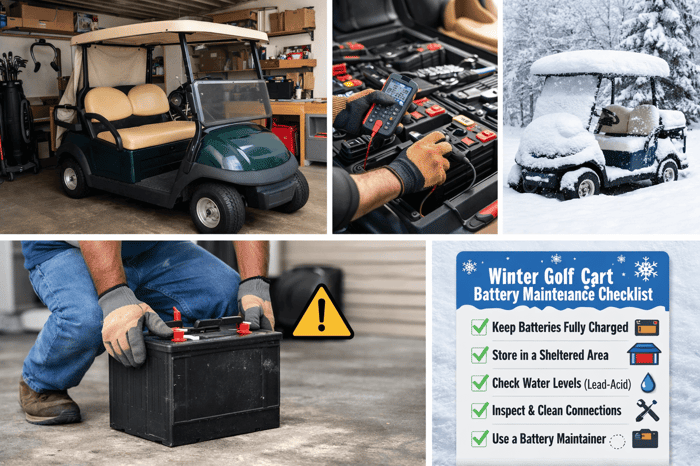
- Golf Cart Battery Winter Maintenance Tips
- ✅ Keep Batteries Fully Charged
- ✅ Store Your Golf Cart in a Warmer, Sheltered Location
- ✅ Avoid Charging Batteries in Freezing Temperatures
- ✅ Clean and Inspect Battery Connections Before Winter
- ✅ Use a Battery Maintainer or Smart Charger
- ✅ Reduce Electrical Load During Winter Use
- ✅ Check Water Levels (Lead-Acid Batteries Only)
- ✅ Consider Removing Batteries Only in Extreme Cold Climates
- Signs Your Golf Cart Battery Is Struggling This Winter
- Winter Care Protects Your Battery Investment
Golf cart owners who stay proactive during winter are far more likely to preserve battery life and maintain consistent performance when temperatures drop.
Why Cold Weather Is Hard on Golf Cart Batteries
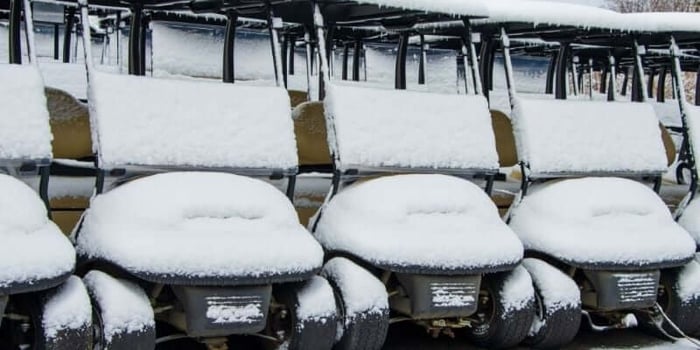
Golf cart batteries rely on chemical reactions to produce power. When temperatures drop, those reactions slow down, reducing efficiency and output.
Cold conditions can cause:
Reduced power and torque
Shorter driving range
Slower acceleration
Longer charging times
In winter conditions, battery capacity can drop 20–50%, even if the batteries are relatively new.
Common Winter Battery Problems
Loss of Range
Cold weather limits how much usable energy your battery can deliver. A cart that performs well in summer may struggle to travel the same distance in winter.
Slower Charging
Batteries charge less efficiently in cold temperatures, often requiring longer charge cycles while still failing to reach full capacity.
Permanent Battery Damage
Leaving batteries partially charged or discharged during winter can lead to sulfation—a buildup on battery plates that permanently reduces capacity.
Frozen Batteries
A fully charged battery is much less likely to freeze. A discharged battery, however, can freeze in sub-zero temperatures and crack the battery case, leading to total failure.
Elite Series Front Seat for Club Car Precedent

$509.15
Upgrade your Club Car Precedent with the MasterClass Elite Series Front Seat, offering a blend of comfort, durability, and style. These high-quality seats are designed...… read more
Electric vs Gas Golf Carts in Winter
While gas golf carts face cold-weather challenges such as hard starting, electric golf carts are far more sensitive to temperature changes.
Electric cart owners should pay close attention to:
Charging routines
Storage conditions
Battery inspections
Skipping winter battery care is one of the most common reasons electric golf carts experience shortened battery life.
Golf Cart Battery Winter Maintenance Tips
Cold weather doesn’t have to ruin your batteries. These practical steps can significantly extend battery life and improve cold-weather performance.
✅ Keep Batteries Fully Charged
A charged battery is far more resistant to freezing and internal damage. Batteries left sitting at low charge levels are more likely to suffer sulfation.
Best practices:
Fully charge batteries before winter storage
Recharge every 2–4 weeks if the cart is not in use
Avoid letting batteries sit below 50% charge
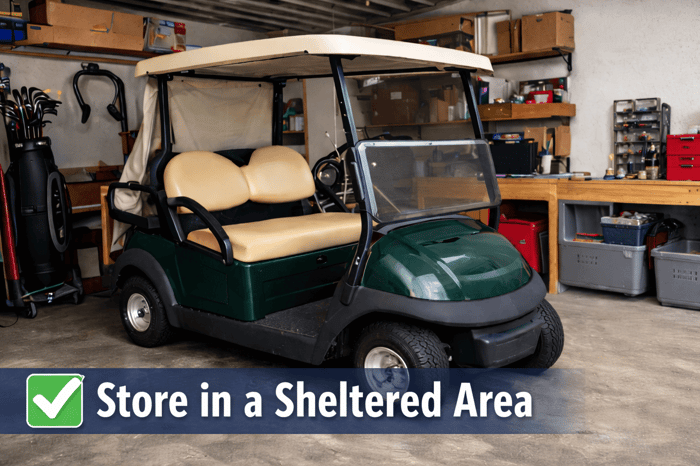
✅ Store Your Golf Cart in a Warmer, Sheltered Location
Even a small increase in ambient temperature can help batteries retain charge and perform better.
Ideal storage options include:
Garages or enclosed sheds
Indoor storage facilities
Carports with wind protection
If indoor storage isn’t available, insulated battery covers or full cart enclosures can help reduce cold exposure.
✅ Avoid Charging Batteries in Freezing Temperatures
Charging extremely cold batteries can reduce charge acceptance and shorten battery life.
Helpful tips:
Allow batteries to warm up before charging
Charge during the warmest part of the day
Never attempt to charge frozen batteries
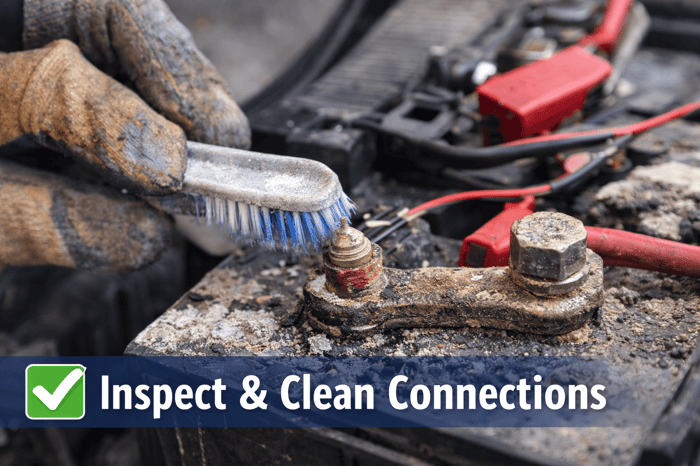
✅ Clean and Inspect Battery Connections Before Winter
Cold weather increases electrical resistance, making clean connections essential for winter performance.
Before winter:
Clean terminals with a baking soda and water solution
Tighten all battery connections
Inspect cables for corrosion, cracking, or stiffness
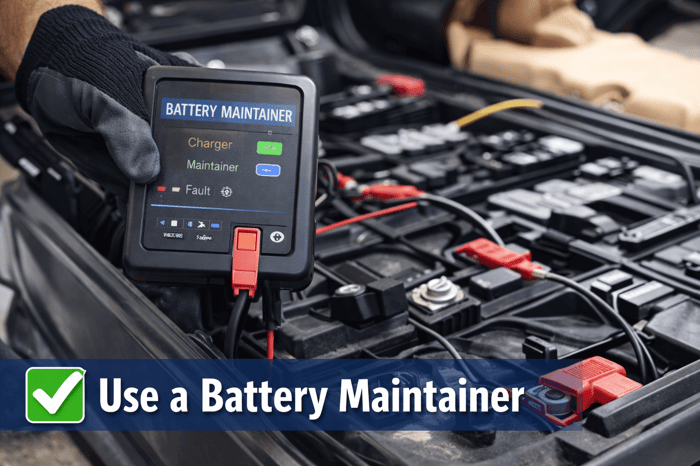
✅ Use a Battery Maintainer or Smart Charger
Many modern chargers include maintenance or float modes that help keep batteries healthy during long storage periods.
If your charger doesn’t include these features, schedule periodic charge checks during winter.
✅ Reduce Electrical Load During Winter Use
Cold temperatures already reduce efficiency, so minimizing power draw helps preserve range.
Helpful tips:
Limit accessory use
Accelerate gradually
Keep tires properly inflated
Avoid steep terrain when possible
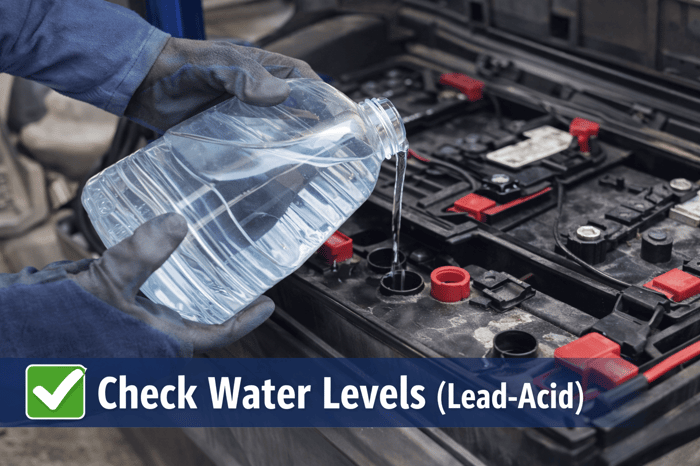
✅ Check Water Levels (Lead-Acid Batteries Only)
For flooded lead-acid batteries, water maintenance remains critical during winter.
Important reminders:
Check water levels after charging
Use distilled water only
Never allow battery plates to be exposed
✅ Consider Removing Batteries Only in Extreme Cold Climates
In areas with prolonged sub-zero temperatures, removing batteries and storing them in a temperature-controlled space can help—but it is rarely required for most owners.
It’s also important to note that newer golf cart batteries—especially lithium and high-capacity battery packs—are extremely heavy and not designed to be removed frequently. Attempting removal without proper tools or assistance can result in injury, battery damage, or cart damage.
For most owners, proper winter care includes:
Keeping batteries fully charged
Storing the cart in a sheltered location
Performing periodic inspections
Only consider battery removal if recommended by your owner’s manual or dealer.
Elite Series Rear Seat Kit for EZ-GO RXV
$549.00
MasterClass Premier Rear Seat Kit for EZ-GO RXV Enhance your EZ-GO RXV’s versatility with the MasterClass Premier Rear Seat Kit, designed for effortless installation and...… read more
Out of Stock
Signs Your Golf Cart Battery Is Struggling This Winter
Watch for these warning signs:
Noticeably reduced driving range
Slower acceleration or power loss on hills
Batteries that won’t hold a charge
Charging cycles that take longer than normal
If these issues persist, have your battery pack professionally tested.
Winter Care Protects Your Battery Investment
Golf cart batteries are a major investment. Consistent winter care helps:
Extend battery lifespan
Improve cold-weather performance
Prevent unexpected winter failures
A little effort during the colder months ensures your cart is ready when spring arrives.
⚠️ Important Disclaimer
Always consult your golf cart owner’s manual and follow the manufacturer’s recommended battery care, charging, and storage procedures. Battery requirements can vary by cart model, battery type, and charger.
If you are unsure about proper golf cart battery winter maintenance, contact the dealer or retailer where you purchased your golf cart or batteries. They can provide guidance specific to your setup and local climate conditions.
Following manufacturer and dealer recommendations helps prevent damage, preserve warranty coverage, and ensure safe operation.