Used Golf Cart Buying Guide
Table of Contents
- Used Golf Cart Buying Guide: Key Things to Look For
-
- 1. Decide Between Gas and Electric
- 2. Inspect the Battery or Engine
- 3. Examine the Frame and Body
- 4. Test The Brakes, Steering, and Suspension
- 5. Inspect Tires and Wheels
- 6. Check the Seats and Interior
- 7. Verify the Year, Make, and Model
- 8. Review Accessories and Upgrades
- 9. Consider Price and Warranty
- Final Thoughts
Used Golf Cart Buying Guide: Key Things to Look For
A used golf cart buying guide is essential if you’re considering investing in a pre-owned cart. Many people shop the used market because a used golf cart can be a cost-effective way to enjoy the convenience of personal transportation without paying new-cart prices. But not every used golf cart is a good deal. In this Used Golf Cart Buying Guide For, we’ll walk through the most important steps so you can purchase with confidence.

1. Decide Between Gas and Electric
The very first step in any Used Golf Cart Buying Guide is deciding whether you want a gas-powered used golf cart or an electric used golf cart. This choice will shape everything else about your purchase — from how much maintenance you’ll need to do, to how far you can travel on a single trip.
Gas used golf carts are a great option if you plan to use the cart for heavy-duty work, towing, or driving over long distances. They typically offer more power, which makes them better for hilly terrain, farms, or hunting properties. The downside is that they require regular maintenance such as oil changes, air filter replacements, and spark plug checks — similar to owning a small car. Fuel costs also add up over time.
Electric used golf carts are quieter, cleaner, and often more affordable to maintain. They’re popular for neighborhoods, campgrounds, and golf courses because of their smooth, silent ride. However, the batteries are the lifeblood of an electric cart. A weak or aging set of batteries can drastically cut performance and range, and replacing a full set can cost thousands.
When weighing gas vs. electric, think about where and how you’ll drive the used golf cart most often. Will you mainly cruise around your neighborhood? An electric model might be perfect. Need more endurance for off-road or utility work? A gas-powered option could serve you better.
In short, there’s no one-size-fits-all answer — but understanding the pros and cons of each type ensures that your choice of used golf cart fits your lifestyle and won’t leave you disappointed after purchase.
2. Inspect the Battery or Engine
One of the most important steps in this Used Golf Cart Buying Guide is checking the power source — either the battery system in an electric cart or the engine in a gas cart. A cart may look great on the outside, but if it can’t run properly, it won’t matter how shiny the paint or seats are.
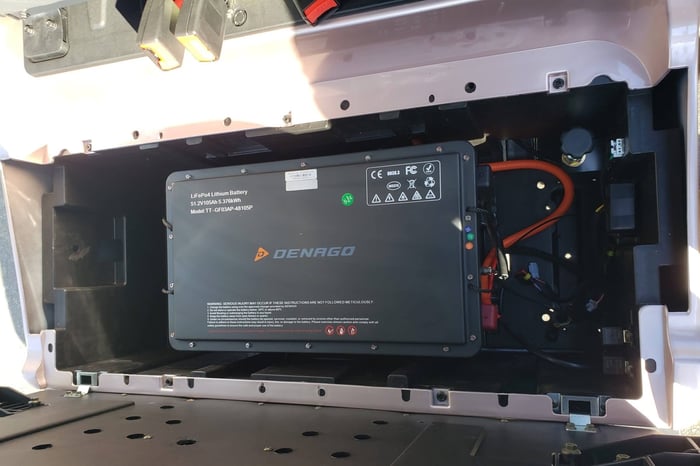
Electric used golf carts rely heavily on their batteries, which are also the most expensive component to replace. A new set of batteries can cost anywhere from $800 to over $2,000, depending on the type. When inspecting, ask the seller when the batteries were last replaced and whether they’ve been regularly maintained. Look closely for signs of corrosion around the terminals, swelling of the battery casing, or leaking acid — all of which signal wear and potential replacement soon. It’s also smart to test how long the cart holds a charge and how far it can travel before power starts dropping.
Gas used golf carts depend on the condition of their small engines. Always try to start the cart when the engine is cold, because a warm engine can hide starting problems. Listen carefully for unusual knocking, sputtering, or excessive smoke, which can signal costly repairs ahead. Check the oil level and quality — dirty or very low oil may mean the used golf cart hasn’t been well cared for. Ask if the seller has records of oil changes, air filter replacements, or tune-ups.
Whether you’re looking at an electric or gas used golf cart, this inspection is crucial because replacing a bad battery pack or repairing a damaged engine can cost nearly as much as you paid for the entire cart. That’s why every used golf cart buying guide emphasizes this step — it’s the heart of the cart, and if it’s weak, the whole investment is at risk.
3. Examine the Frame and Body
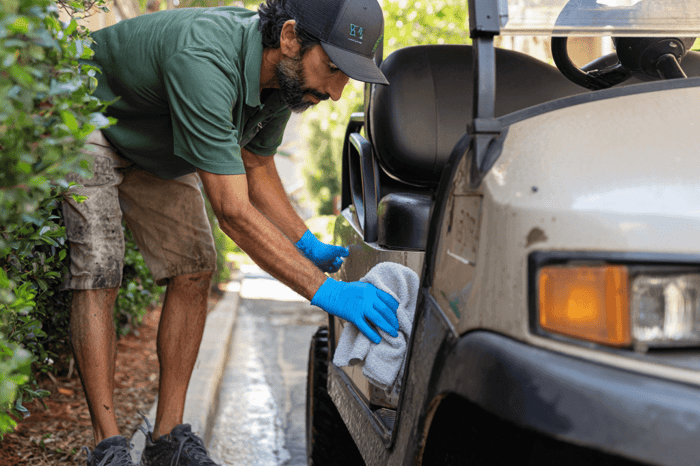
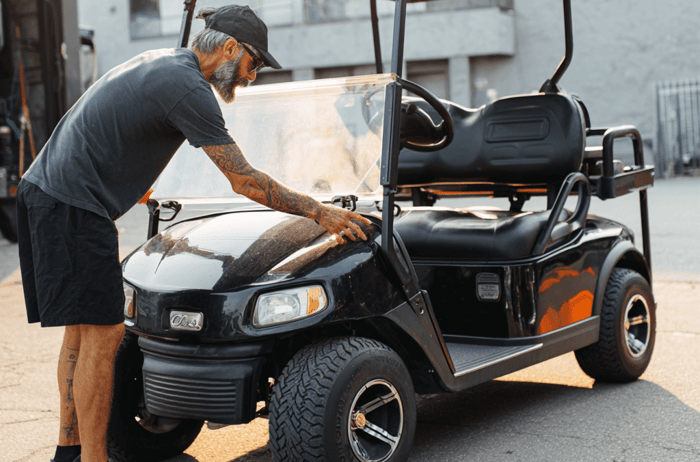
A shiny exterior doesn’t always mean a good buy. One of the most overlooked but critical steps in this Used Golf Cart Buying Guide is a thorough inspection of the frame and body. Even if the used golf cart runs well, structural damage or hidden rust can turn your bargain into a bad investment.
Start by looking underneath the cart. The frame is the backbone of any used golf cart, and it’s also the most vulnerable area for rust, especially if the cart has been used near the coast, on salted roads, or stored outdoors. Light surface rust isn’t usually a major issue, but deep rust, flaking metal, or weakened joints are red flags. A frame that’s compromised can be dangerous and costly (sometimes impossible) to repair.
Next, check the body panels. Many golf carts use durable plastics or fiberglass that don’t rust like metal, but they can still crack or warp. Scratches, fading, or small dents aren’t necessarily dealbreakers — in fact, they can give you leverage to negotiate a lower price. However, large cracks or mismatched panels might suggest the used golf cart was in an accident or poorly repaired.
Also pay attention to the floorboard and under-seat areas. Lift up the seat and look for soft spots, rotted wood (on older models), or signs of water damage. Moisture can cause long-term problems, including mold, electrical issues, and faster deterioration of the frame.
Finally, step back and check the overall condition of the paint and finish. While cosmetic wear doesn’t affect performance, it tells you a lot about how the used golf cart was cared for. A cart that’s clean, stored under cover, and free from major body issues usually indicates an owner who kept up with maintenance.
In short, the condition of the frame and body is one of the best indicators of whether a used golf cart has years of life left or will become a project you didn’t plan on tackling.
Elite Series Matching Seat Set for EZ-GO Valor (2017-2022)

$999.00
Elite Series Matching Seat Set for EZ-GO Valor (2017-2022) Upgrade your EZ-GO Valor (2017-2022) with the Elite Series Matching Seat Set from MasterClass, designed for...… read more
Out of Stock
4. Test The Brakes, Steering, and Suspension
No Used Golf Cart Buying Guide would be complete without emphasizing safety. Even if the used golf cart looks good and powers on, you need to know how it feels on the road. A test drive is the best way to evaluate the brakes, steering, and suspension.
Brakes: A reliable used golf cart should stop smoothly without pulling to one side. If the brakes feel soft, squeaky, or spongy, it may mean the brake pads, cables, or drums are worn. Replacing brakes isn’t always costly, but it’s something you’ll want to factor into the purchase.
Steering: Drive in a straight line, then turn sharply in both directions. If the steering feels loose, stiff, or unresponsive, it could point to issues with the steering box or tie rods. A used golf cart that doesn’t steer properly can quickly become frustrating or unsafe.
Suspension: Pay attention to how the cart handles bumps. A smooth ride means the suspension is still in good shape. If every crack or pothole feels harsh, the shocks or springs may be worn out. Suspension repairs can add up, especially on older used golf carts.
In short, if the used golf cart doesn’t drive comfortably and safely during a short test run, it’s unlikely to get better over time.
5. Inspect Tires and Wheels
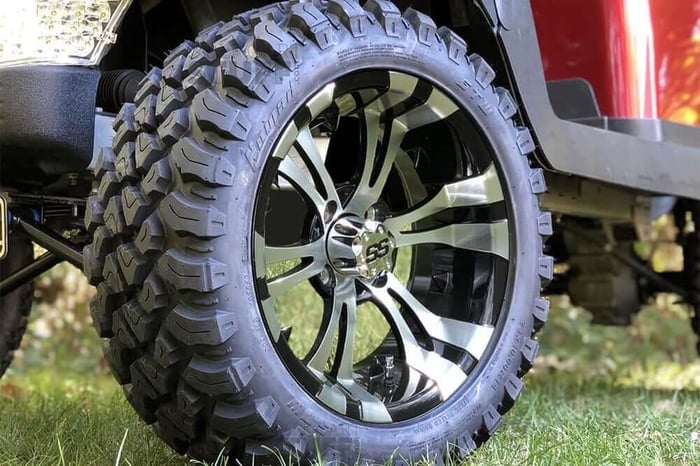
Tires might seem like a minor detail, but in this Used Golf Cart Buying Guide, they’re another important factor to check before buying. Tires and wheels affect not just how the used golf cart looks, but also how it handles.
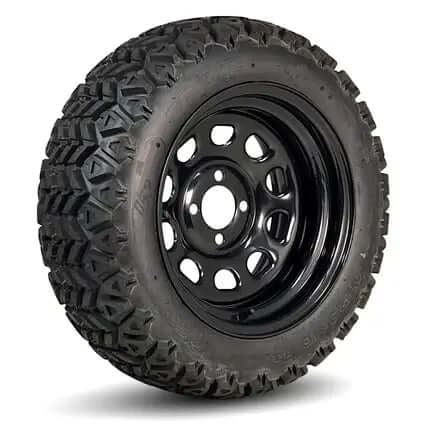
Examine the tread to make sure it’s even and not overly worn down. Tires with cracks, bald spots, or bulges will need immediate replacement. Uneven tread often signals alignment or suspension problems, which may mean more than just new tires.
Check the wheels as well. Look for dents, bends, or signs that the wheels don’t match (which can indicate replacements after an accident). Damaged wheels can make the cart wobble or vibrate while driving, reducing safety and ride quality.
While replacing tires isn’t usually expensive, identifying the cause of uneven wear or wheel issues ensures you’re not walking into hidden problems with the used golf cart.
6. Check the Seats and Interior
The inside of the cart can tell you just as much as what’s under the hood. Worn-out seats, cracked vinyl, or sagging foam are common in older used golf carts, and while they may not affect drivability, they affect comfort and resale value.
Look for:
Cracks or tears in the upholstery, which can allow moisture to damage the padding underneath.
Mold or mildew, especially if the used golf cart has been stored outdoors or in damp conditions.
Loose or unstable seat bases, which can make the ride uncomfortable or unsafe.
While poor seat condition may seem like a drawback, it can actually be an opportunity. Upgrading to MasterClass Seats allows you to transform the look and comfort of any used golf cart in no time! Whether you want a simple refresh or a custom-matched front and rear set, new seating can make even an older cart feel like it just rolled off the showroom floor.
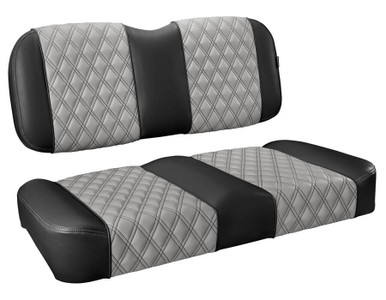
Elite Series Front Seat for Yamaha Drive 1
$509.15
Transform your Yamaha Drive 1 with the MasterClass Elite Series Front Seat, designed to deliver outstanding comfort, support, and style. Built with premium materials and...… read more
7. Verify the Year, Make, and Model
Every used golf cart has a serial number that identifies its production year and manufacturer. This step in the used golf cart buying guide ensures you know exactly what you’re buying and whether parts and accessories are available for that model.
8. Review Accessories and Upgrades
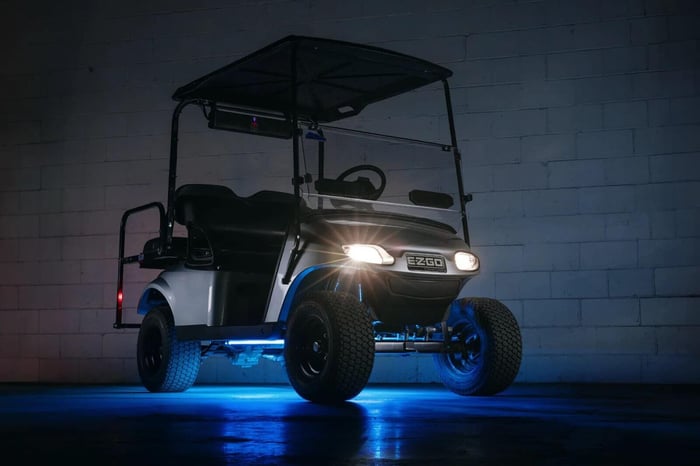
Some used golf carts come with extras like lift kits, lights, or enclosures. These add value but should be inspected closely. Poor installations can cause long-term issues. In this Used Golf Cart Buying Guide, we recommend focusing on the basics first — then consider customizing your used golf cart later.
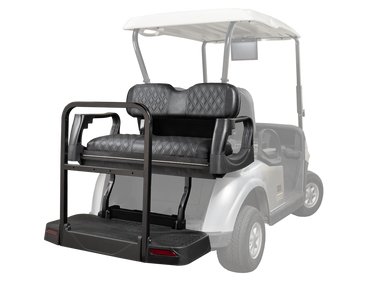
Elite Series Rear Seat Kit for Club Car Precedent
$549.00
MasterClass Premier Rear Seat Kit for Club Car Precedent Upgrade your Club Car Precedent with the MasterClass Premier Rear Seat Kit, designed to enhance both...… read more
Out of Stock
9. Consider Price and Warranty
Pricing varies widely in the used golf cart market. Compare similar makes and models in your area to ensure you’re getting a fair deal. Some dealers provide refurbished used golf carts with warranties, while private sellers often sell “as is.” Knowing the difference is key in the purchase process.
Final Thoughts
This Used Golf Cart Buying Guide For is designed to help you shop smart, avoid costly mistakes, and find a cart that fits your lifestyle. A used golf cart can be a fantastic investment when inspected carefully. From batteries and engines to seats and accessories, every detail matters.
And remember, even if your used golf cart runs great but looks worn out, upgrading to MasterClass Seats will refresh its comfort, style, and resale value. With the right upgrades, your used golf cart can feel brand new again.